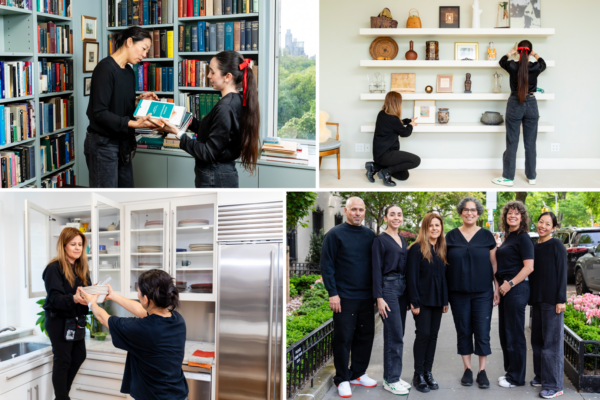
Commercial photography rarely announces itself. It doesn’t need to. It shows up quietly in the places where brands speak most often and most consistently. Product pages. Menus. Websites. Social feeds. Pitch decks. Signage. These images form the visual language people interact with every day, often without realizing how much they shape perception.
For many businesses, commercial photography is not about campaigns or launches. It is about continuity. It supports how a brand looks, feels, and communicates over time.

Where Everyday Brand Communication Actually Happens
Most brand interactions are not big moments. They are small, repeated ones. A customer scrolls through a website. Someone checks a menu before making a reservation. A client reviews a product page.
Commercial photography lives inside these moments. Product photography clarifies what is being offered. Food photography sets expectations before a plate arrives. Interior and location photography establishes mood and scale before anyone steps inside. Together, these images do practical work while also shaping trust.

Consistency Without Noise
Brands don’t need to shout to be recognizable. They need to be consistent. Commercial photography helps create visual alignment across platforms. When images share a coherent tone, lighting approach, and framing style, the brand feels intentional. Not styled for attention, but steady. That steadiness matters more than novelty in everyday communication.
Consistency also reduces friction. Viewers understand what they are looking at faster. They know what to expect. That familiarity supports decision-making, whether it’s buying a product, choosing a restaurant, or booking a service.
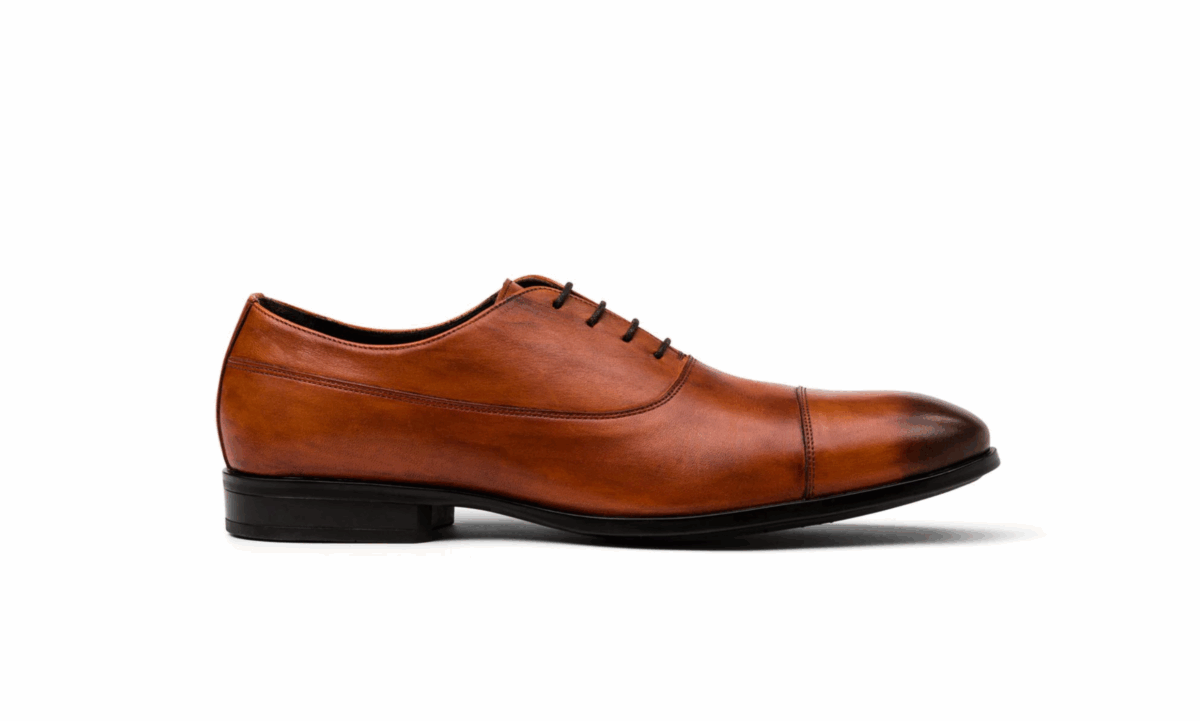
Products, Food, and Spaces as Visual Information
Commercial images are not decoration. They carry information. Product photography communicates material, scale, and usability. Food photography signals freshness, portion, and care. Space photography reveals layout, atmosphere, and function.
When done thoughtfully, these images answer questions before they are asked. They allow people to orient themselves quickly and confidently. In a crowded digital environment, that clarity becomes a competitive advantage.
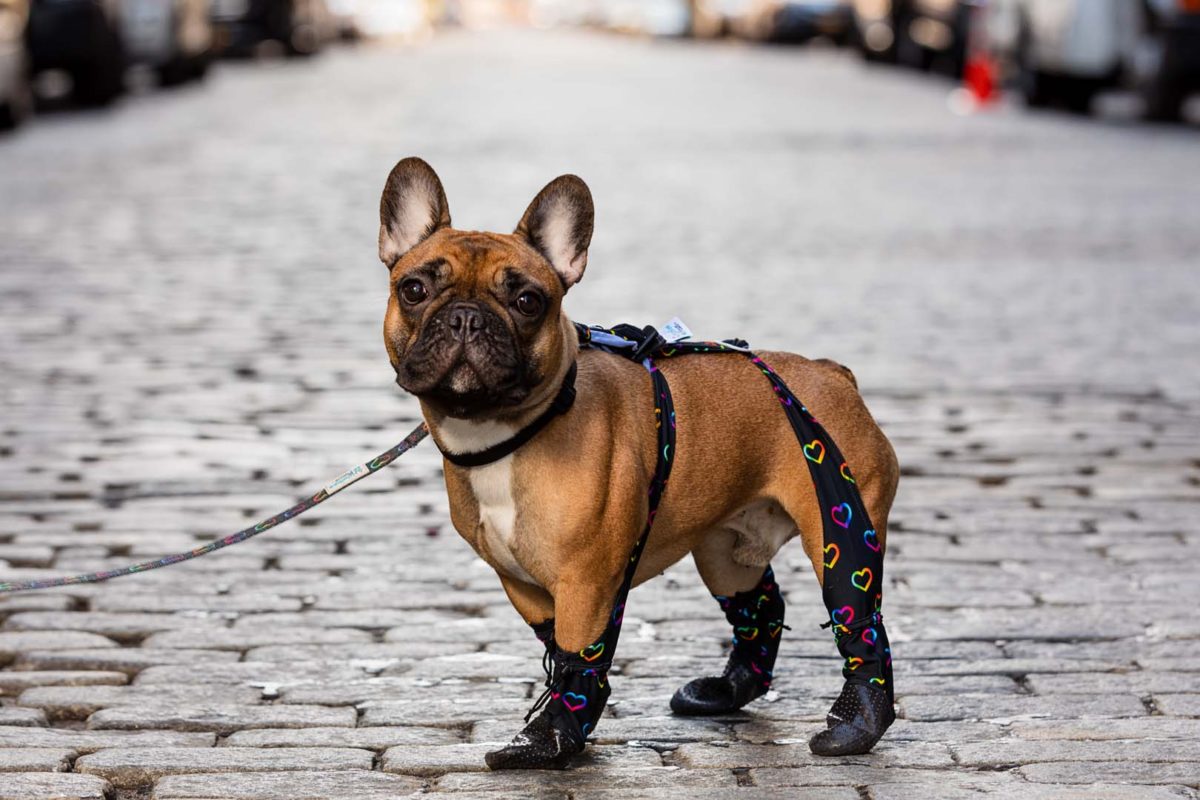
Supporting Marketing Without Looking Like Marketing
Everyday brand communication doesn’t always feel like advertising. It feels like presence. Commercial photography supports this by blending into natural touchpoints. Images appear where people already are, rather than pulling attention away from the experience. This is especially important for brands that rely on trust, quality, or long-term relationships.
Instead of pushing a message, the images reinforce it quietly. They support storytelling without narration. They let the brand exist visually, without explanation.

A Visual Asset That Keeps Working
Unlike short-term content, commercial photography has longevity. Strong images continue to serve across seasons, platforms, and formats. They adapt to new layouts, new campaigns, and new audiences while maintaining visual coherence.
That makes commercial photography less about trend-chasing and more about infrastructure. It becomes part of how a brand communicates day to day, not just how it markets itself occasionally.

Why It Matters to Clients and Customers
People respond to what feels clear and familiar. When commercial photography reflects care and intention, it shapes how a brand is perceived, even when no one is consciously evaluating it. Everyday images build cumulative trust. They support recognition. They make brands easier to understand and easier to remember. That is the quiet role commercial photography plays in modern brand communication.
If you’re thinking about how your products, food, or spaces appear across everyday touchpoints, take a look through our galleries to see how commercial photography can support consistent brand communication. When you’re ready, contact us to talk about creating visual assets that work where your brand actually lives.
Stay connected with us:
Follow us on Instagram, LinkedIn, and Facebook

Co-owner of Headshots NYC, Deutsch Photography & Gotham Family Photos. Lover of images & the stories they tell. Fanatic about words, numbers & patterns. Entrepreneur & adventurer w/keen wanderlust. Life/love/business partner of my husband, photographer Brett Deutsch. Eternal love affair with NYC, where I landed by way of GA, TX & CA.