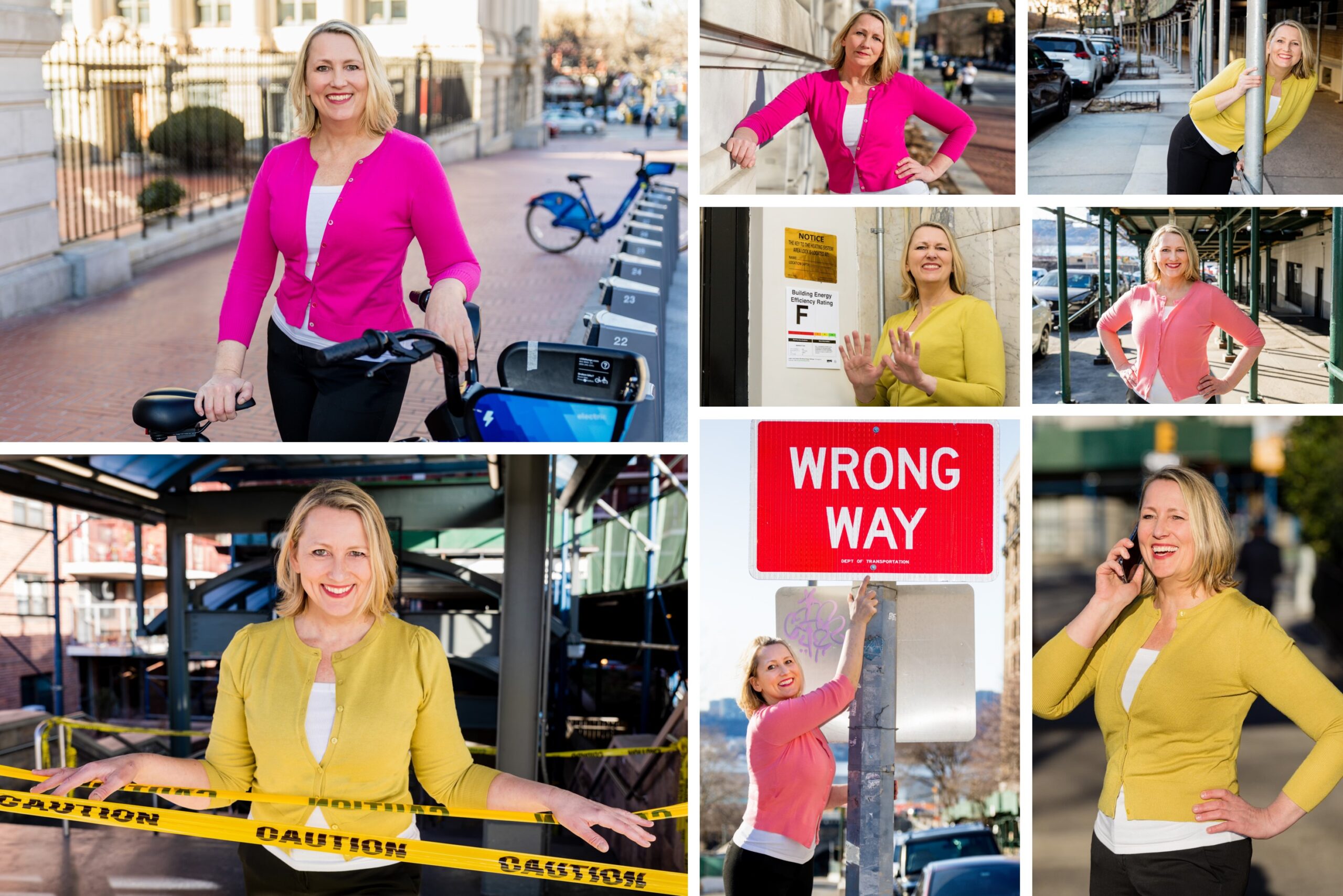
When companies begin planning a photography project, they often encounter several terms that sound similar but carry slightly different meanings. Editorial photography, lifestyle photography, and environmental photography are frequently used in conversations about brand imagery, corporate storytelling, and professional portraits.
While these styles overlap in many ways, each one emphasizes a different aspect of visual storytelling. Understanding how they work helps businesses choose the approach that best reflects their people, their environment, and the story they want their images to convey.

What Is Editorial Photography?
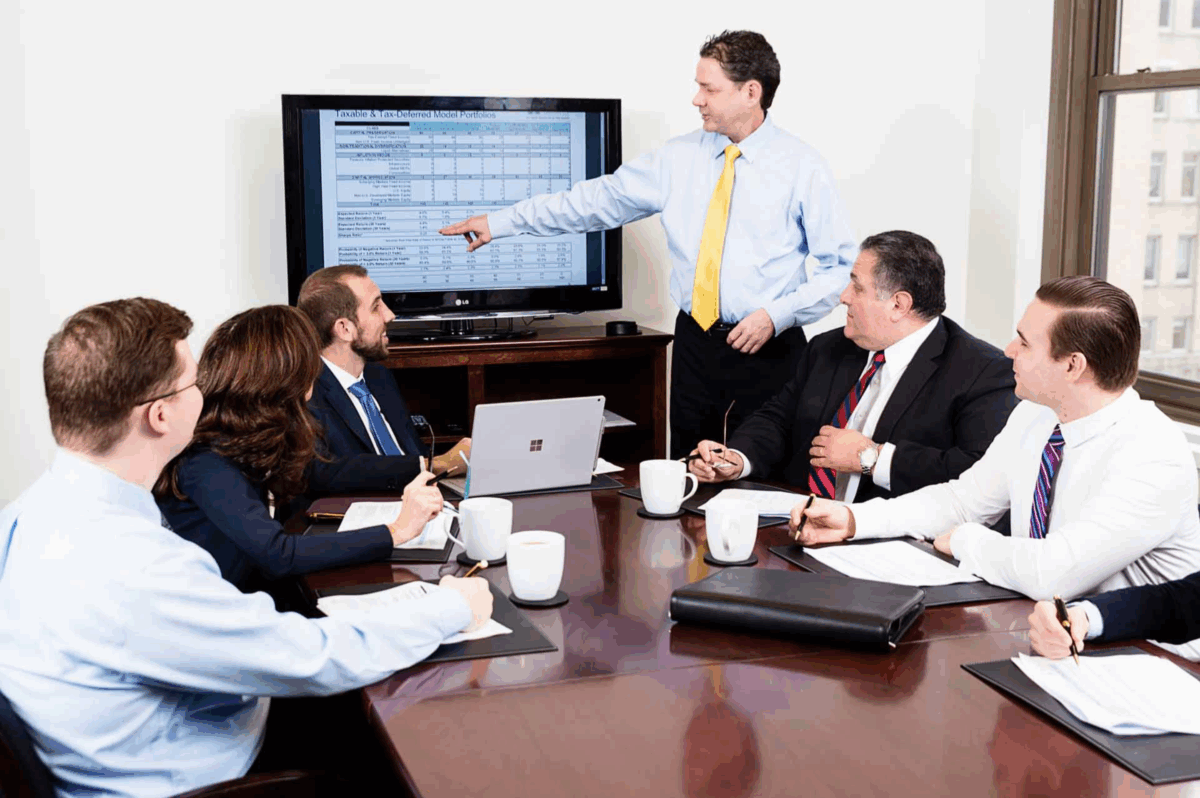
Editorial photography focuses on storytelling. These images are designed to suggest a narrative rather than simply document a subject.
Often used in magazines, articles, and brand features, editorial photographs feel like scenes from a larger story. A conversation between colleagues, a moment of concentration before a presentation, or a shared laugh during a meeting can all hint at something happening beyond the frame.
In corporate and brand settings, editorial photography helps communicate atmosphere, personality, and context. The viewer may not know the full story behind the image, but the photograph invites curiosity and engagement.

What Is Lifestyle Photography?
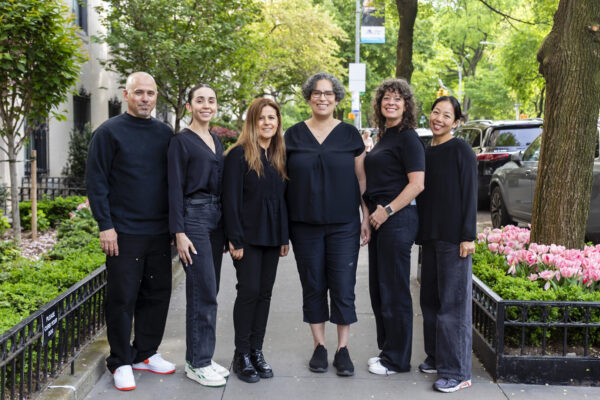
Lifestyle photography centers on natural interaction. Instead of asking people to pose formally, this style captures moments that feel authentic and relaxed.
In a business environment, lifestyle photography might show colleagues collaborating, teams discussing ideas, or professionals engaged in their everyday workflow. The goal is to present people as they genuinely interact rather than as static subjects.
For brands and companies, lifestyle photography helps communicate culture. It reveals how people work together, how environments feel, and how daily activity unfolds inside an organization.
What Is Environmental Photography?
Environmental photography focuses on the relationship between a person and their surroundings. The environment becomes an essential part of the portrait.
A professional photographed in their workspace, a leader standing in the office where decisions are made, or a creative working within their studio all represent environmental portraits. The setting provides context that helps viewers understand the subject more clearly.
In corporate and personal branding photography, environmental portraits add depth by showing not only who someone is, but where their work happens.

How These Styles Work Together
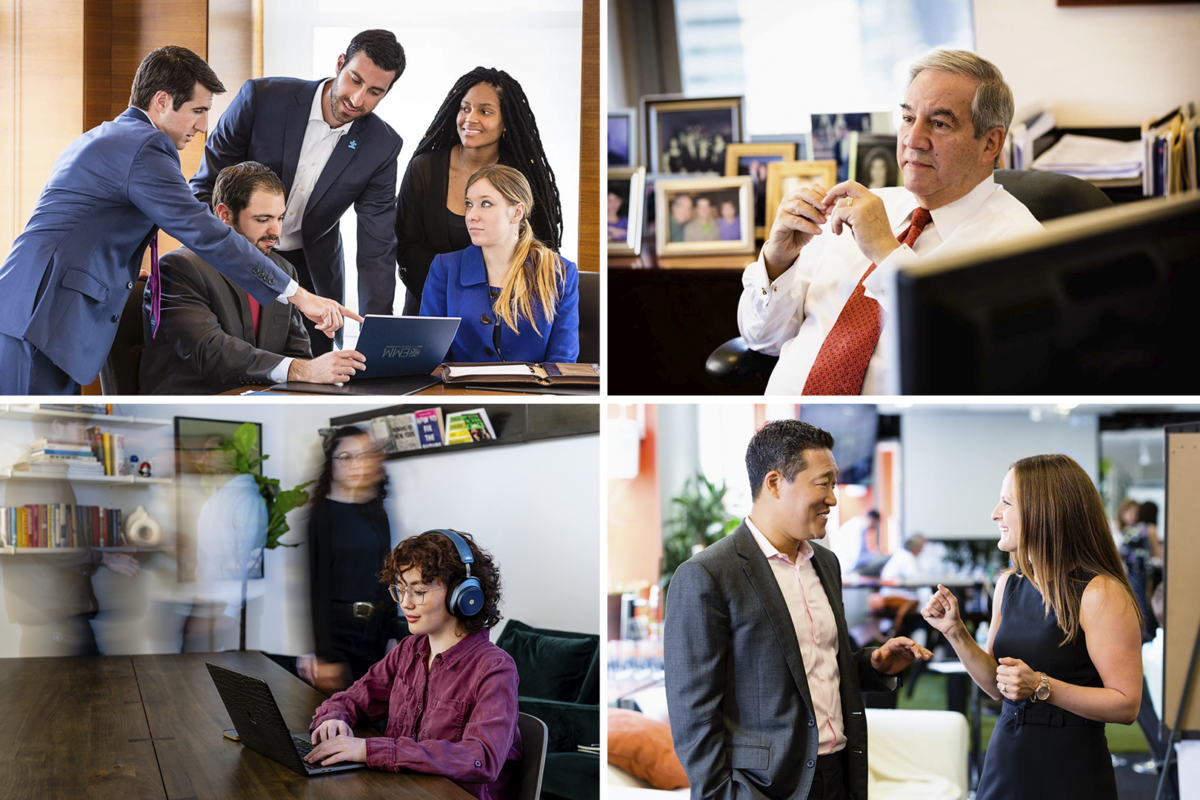
Although each approach has its own emphasis, editorial, lifestyle, and environmental photography often blend naturally within a single project.
A portrait taken in an office environment may carry environmental context. A candid interaction between colleagues may feel like lifestyle photography. If the moment also suggests a larger narrative, it begins to take on an editorial quality. Together, these styles create images that feel authentic, engaging, and visually rich. Instead of relying on rigid poses or overly staged scenes, modern brand photography focuses on capturing real people within meaningful moments and environments.
Choosing the Right Approach for Your Story
Every organization has its own story to tell. Some projects focus on individuals and their workspaces. Others highlight collaboration and company culture. Many aim to create images that feel like glimpses into a larger narrative. Editorial, lifestyle, and environmental photography each offer a different way to tell that story. When combined thoughtfully, they create imagery that feels both professional and human.
If you are planning a photography project for your brand, company, or personal profile, visit our galleries to explore examples of editorial, lifestyle, and environmental photography, and contact us to begin planning your next shoot.
Stay connected with us:
Follow us on Instagram, LinkedIn, and Facebook
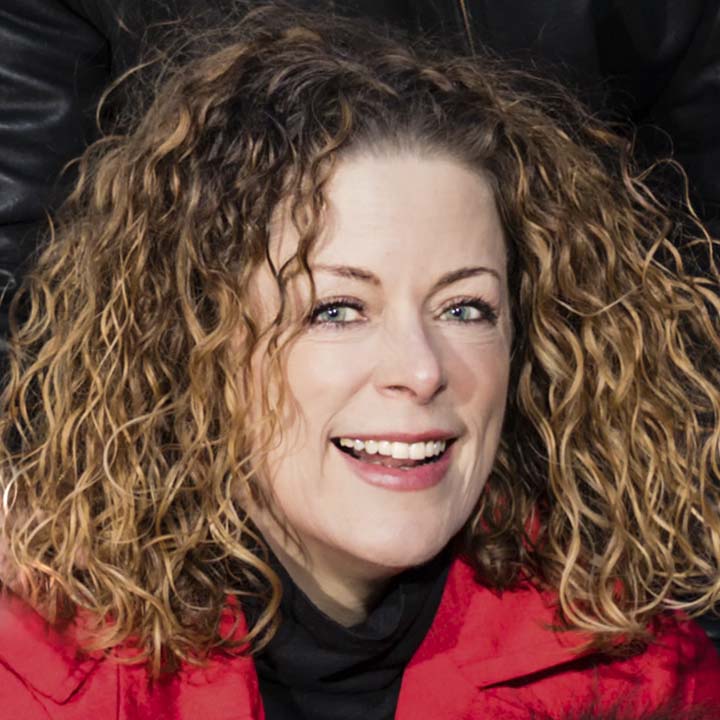
Co-owner of Headshots NYC, Deutsch Photography & Gotham Family Photos. Lover of images & the stories they tell. Fanatic about words, numbers & patterns. Entrepreneur & adventurer w/keen wanderlust. Life/love/business partner of my husband, photographer Brett Deutsch. Eternal love affair with NYC, where I landed by way of GA, TX & CA.