A professional headshot can do a lot.
It can introduce you on LinkedIn, put a face to your name on a company website, and give clients, colleagues, or the media a clear sense of who they’re dealing with. But a headshot is still a portrait of you. Sometimes, that’s exactly what you need. Other times, there’s more of your professional story that you want people to see.
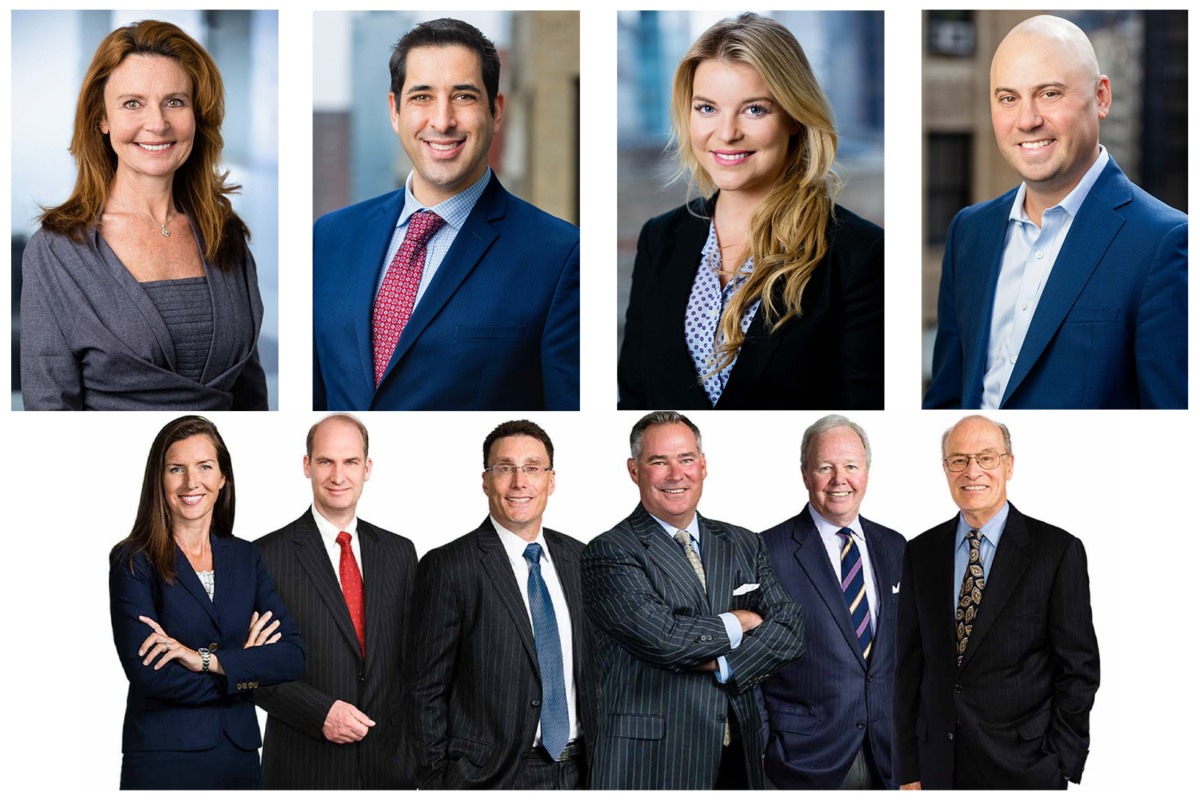
A Headshot Gives People a Face
The strength of a headshot is its simplicity. You are the focus. Your expression, presence, and personality have room to come through without much else competing for attention. That’s why headshots work so well across professional profiles, team pages, speaker bios, press materials, and other places where people need to quickly recognize who you are. But they don’t necessarily show what you do.

Sometimes the Setting Adds Something
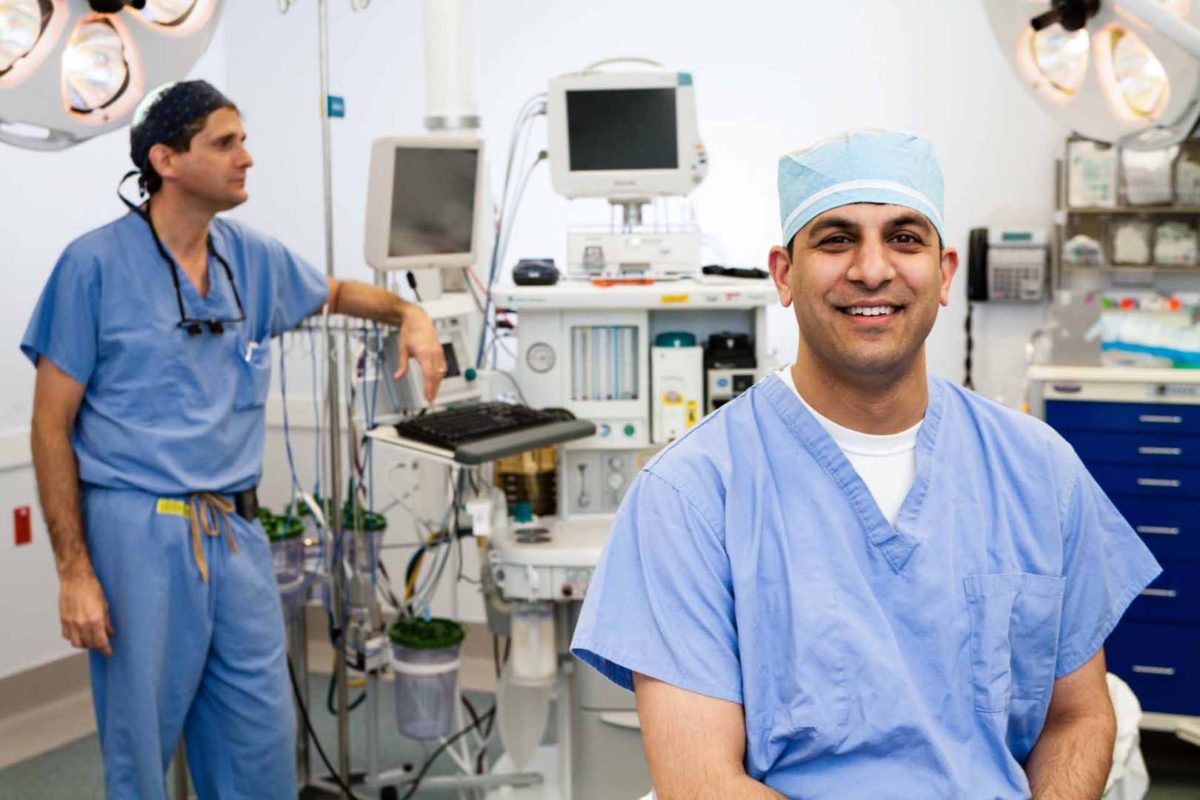
This is where another type of photograph can become useful. An environmental portrait can show you in your workplace, with the tools you use, or in a setting that has some connection to your work. Instead of simply showing who you are, it can give people a little more context.
For some professionals, that might mean a portrait in an office. For others, it could be a studio, a meeting space, a laboratory, a storefront, or somewhere that reflects the nature of their work. The setting doesn’t have to explain everything. It just adds another layer.
You Don’t Have to Choose One
A headshot and an environmental portrait aren’t competing versions of the same photograph. They can serve different purposes. Your headshot might be the image someone sees first on LinkedIn or your company bio. A more expansive portrait might work on your website, in an article, on a speaker page, or as part of a personal branding collection. Having both gives you more flexibility without asking one photograph to do every job.
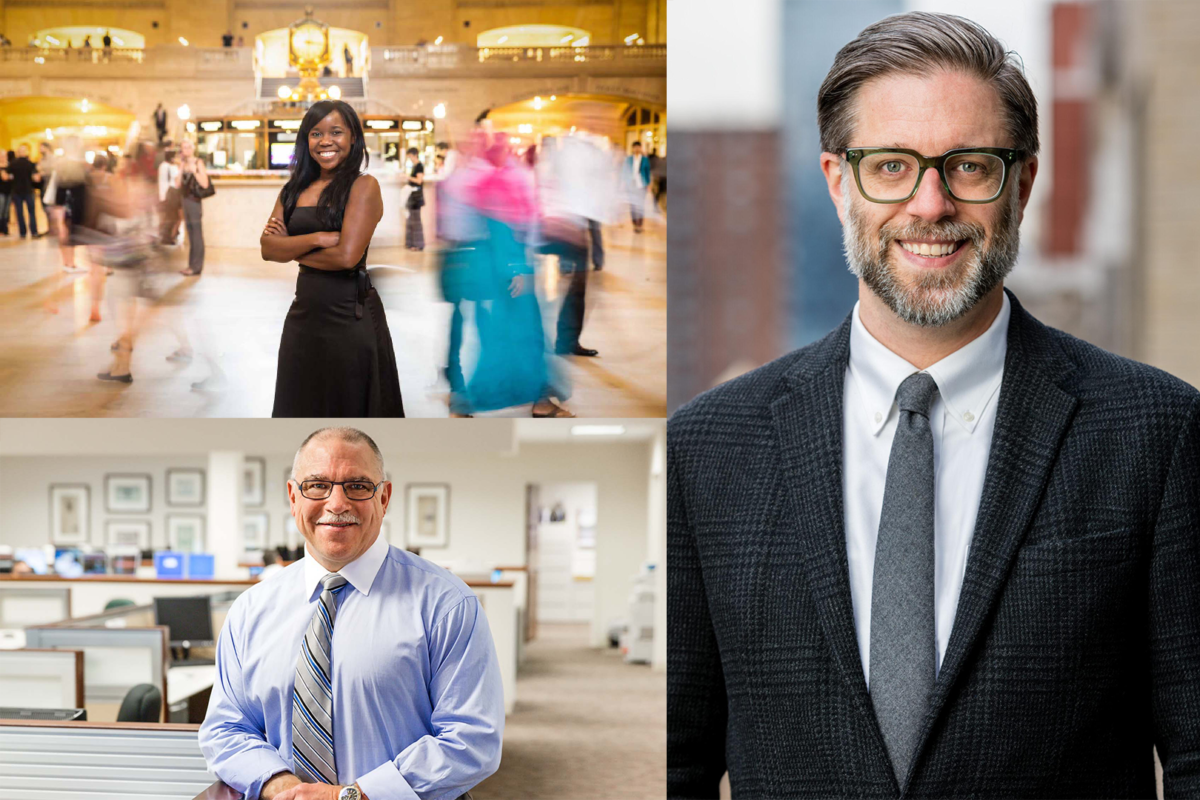
Sometimes You Need More Than One View
Not every professional needs a collection of different portraits. Sometimes one strong headshot is exactly right. But if your work, personality, or public presence needs a little more context, adding another type of image can make your visual library much more useful. The goal isn’t to replace the headshot. It’s to know when the headshot has done its job, and when another photograph can tell the rest of the story.
See examples of professional headshots and environmental portraits, or contact us to discuss what kinds of images make sense for your professional presence.
Stay connected with us:
Follow us on Instagram, LinkedIn, and Facebook
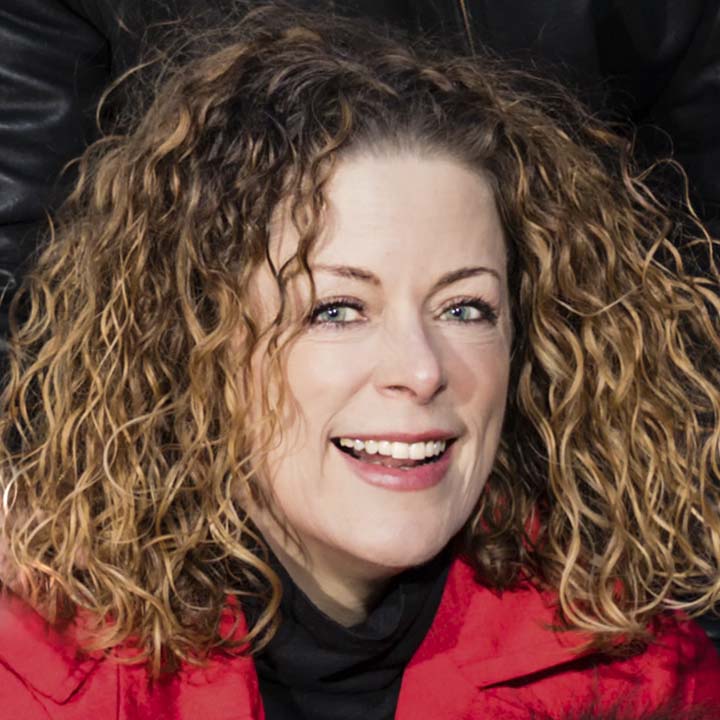
Co-owner of Headshots NYC, Deutsch Photography & Gotham Family Photos. Lover of images & the stories they tell. Fanatic about words, numbers & patterns. Entrepreneur & adventurer w/keen wanderlust. Life/love/business partner of my husband, photographer Brett Deutsch. Eternal love affair with NYC, where I landed by way of GA, TX & CA.